
Category: Breathwork for Healing

  • Zero downside and only extreme upside to practicing breathwork

    Zero downside and only extreme upside to practicing breathwork

    [vc_row][vc_column][vc_column_text]Discover the incredible impact of Breathwork firsthand.

    As global appreciation for its benefits grows, explore my website for insights into how Breathwork can transform your life.

    In a world where wellness practices are gaining momentum, there’s a profound sense of fulfillment in witnessing the growing acknowledgment of breathwork’s efficacy across the globe.

    This recognition is not a newfound revelation for me; it’s a truth I’ve known since 1988, when I embarked on a journey of exploration with two pioneering teachers in the realm of breathwork: Dr. Stanislav Grof and Leonard Orr.

    Dr. Grof, a trailblazing psychiatrist, delved deep into the integration of breathwork within therapeutic frameworks, unveiling its potential for psychological healing and personal growth.

    His development of techniques like holotropic breathwork illuminated the transformative power of altered states of consciousness induced by intentional breathing practices. Alongside Grof’s groundbreaking work, Leonard Orr championed a more spiritually inclined approach to breathwork, coining the term “rebirthing” to encapsulate his techniques.

    Yet, it’s crucial to recognise the diverse influences that have shaped the contemporary landscape of breathwork. From ancient traditions like Tummo Pranayama to modern innovators such as Wim Hof, Breathwork’s resurgence owes much to a tapestry of influences.

    The integration of diverse methods truly elevates Breathwork in the realm of healing practices. Each person has their own path, so it’s essential to find the right guides. Personally, I’ve discovered that harmonising scientific and spiritual elements enhances Breathwork’s accessibility and efficacy. I encourage you to explore this for yourself—a journey towards well-being and self-discovery awaits, regardless of your background.

    Thank-you to Aubrey Marcus and Cassey Means for this very interesting podcast overall.

    [/vc_column_text][/vc_column][/vc_row][vc_row][vc_column][vc_column_text]

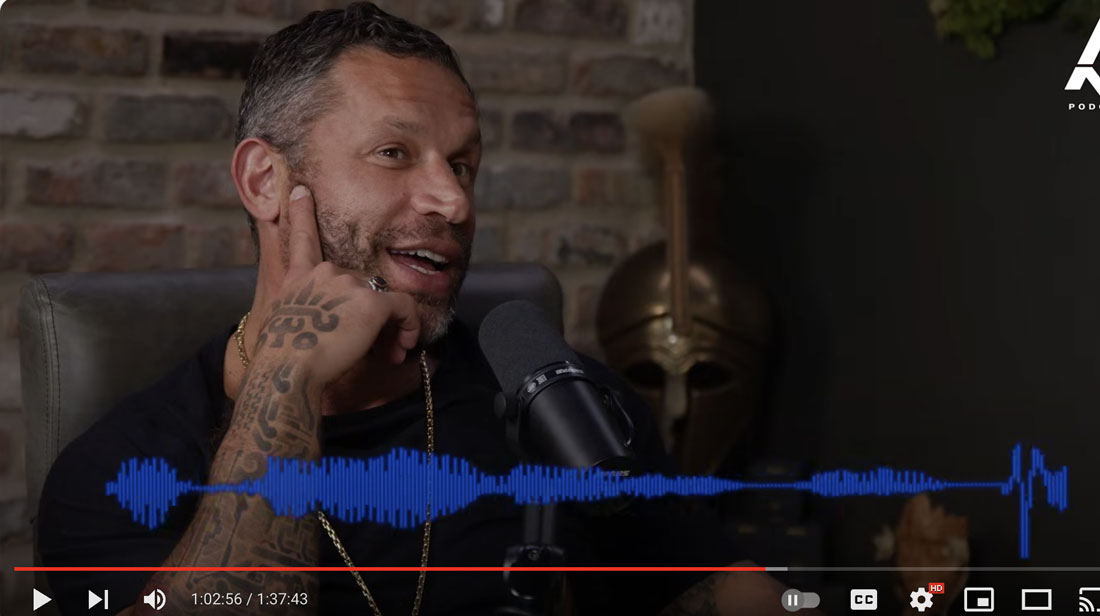
    From Aubrey Marcus Podcast: Big-Pharma Insider: “They Want Us Sick!”- Exposing The Truth About Chronic Disease # 461, 2 May 2024“

    But there are some things that I will recommend carte blanche to every single fucking person. That’s Breathwork. That’s Breathwork.

    This is when you’re actually going, like Wim Hof breathing, but even deeper than Wim Hof breathing into that shamanic holotropic breathwork, like Dr Stanislav Grof propagated from the old Tummo Pranayama techniques and all of these things. They’ve been around for a long time, but there’s been this really resurgence in breathwork practitioners and breathwork practice. And Wim’s been a great contributor to that, but there’s so many different practitioners.

    …Zero downside and only extreme upside to practicing breathwork…

    And there is literally, in my mind, zero downside and only extreme upside to practicing breathwork. Like there’s no risk.

    It’s only health benefits.

    You’re going to alkalize your body.
    You’re going to go through positive physiological changes.
    Massive catharsis, which is also one of the deep fundamental structures of medicine.

    If you go back to ancient Greece, catharsis was one of the main strategies of health. There was diagnosis, catharsis, and then finally they would get to medicine at the very end after they moved to the psychospiritual body. But this is one of those tools that’s like, all right, get in there.

    Same thing with sensory deprivation tanks or a dark room retreat. It’s okay if you don’t want to take any of these plant medicines or any of these psychedelics, but you have to find a bridge to get back in touch with the intelligence of your body and understand how to heal. And this is a starting place where it’s like, yeah, 100% every single person.”
    From Aubrey Marcus Podcast: Big-Pharma Insider: “They Want Us Sick!”- Exposing The Truth About Chronic Disease # 461, 2 May 2024

    Connect with Aubrey

  • Embracing Transience: Witnessing the Queen of the Night Blossom

    Embracing Transience: Witnessing the Queen of the Night Blossom

    Embracing Transience: Witnessing the Queen of the Night Blossom

    In the vast tapestry of nature’s wonders, there exists a phenomenon so fleeting, so exquisite, that witnessing it feels like touching the very essence of life itself. It is the blossoming of the Queen of the Night, a flower that graces the world with its ephemeral beauty for just one night and only once per year, lasting only a few precious moments before fading into the realm of memory. The flowers are large, white, and trumpet-shaped, with a diameter of up to 30 centimetres (12 inches) and their fragrance is intensely sweet and intoxicating. The blooms are short-lived, usually lasting only a few hours before fading away which adds to their mystique and allure.

    Recently, I had the extraordinary privilege of experiencing this unique event firsthand. Invited to a friend’s home to catch the exact window of time, I watched in awe as six Queen of the Night  flowers unfurled their delicate petals, shimmering in the moonlight like a celestial dancer.

    What struck me most about this experience was its transient nature. Here was a flower that lived out it’s entire existence in just a few moments, this one night of unparalleled splendour. It was a reminder that life, like the Queen of the Night, is inherently transient—a delicate balance of fleeting moments and eternal memories.

    As I stood there, transfixed by the intensity of the blossoms, I couldn’t help but feel a profound sense of connection to the present moment. In a world filled with distractions and noise, the Queen of the Night reminded me of the importance of living in the here and now, of embracing each moment as it comes, for it is in these fleeting moments that true beauty resides.

    In many ways, the Queen of the Night serves as a metaphor for our own lives. Like the flower, we too have hidden treasures waiting to be discovered within us. It is through moments of quiet introspection, through the gentle rhythm of our breath, that we can begin to unearth these treasures, to peel back the layers of uncertainty and doubt and reveal the radiant core of our being.

    Watching the Queen of the Night blossom was not just a visual spectacle; it was a visceral experience—a reminder of the fragility and resilience of life, of the boundless potential that lies dormant within each of us. It was a call to action, a beckoning to reach inside ourselves, to discover the hidden depths of our souls, and to embrace the transient beauty of our existence.

    May we all learn to live as the Queen of the Night does, to blossom in the darkness, to shine brightly for but a moment, and to leave behind a legacy of beauty and wonder for all who follow in our wake. And may we never forget to pause, to breathe, and to revel in the exquisite dance of life unfolding around us.

    The Queen of the Night cactus (Selenicereus grandiflorus) is a fascinating and enchanting plant that captivates admirers with its exquisite blooms and mysterious allure.


  • Discovering Denise Burgess’s Gentle Approach

    Discovering Denise Burgess’s Gentle Approach

    Embracing the Wisdom of Breathwork: Discovering Denise Burgess’s Gentle Approach

    In the world of Breathwork, names like Wim Hof often take centre stage, captivating audiences with their extraordinary feats of endurance and resilience. Indeed, Wim Hof has become synonymous with cold exposure and controlled breathing techniques, inspiring countless individuals to explore the transformative power of breath.

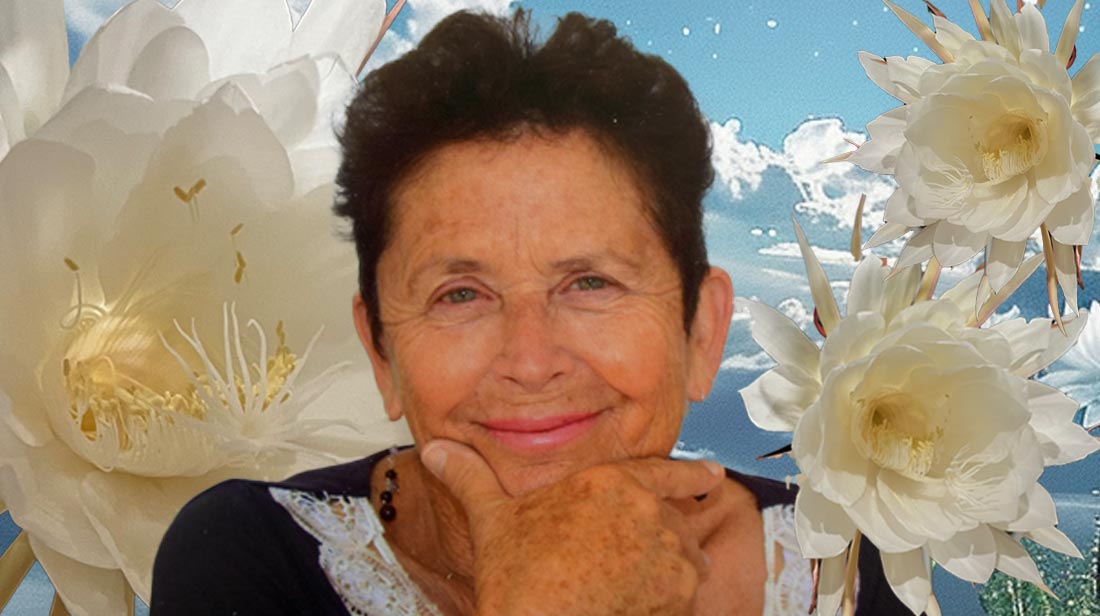
    Yet, amidst the spotlight shines a quieter, but equally profound presence—that of Denise Burgess, a revered Spiritual Elder and Breathwork Teacher with 38 years of expertise in transformative breathwork meditation techniques. A wise and wonderful woman, Denise has been practicing Breathwork for longer than many can remember, quietly nurturing a legacy of healing and transformation.

    While Wim Hof’s methods emphasize endurance and intensity, Denise Burgess offers a different path—a path guided by gentle wisdom and deep intuition. For those seeking a feminine approach to Breathwork, Denise’s teachings provide a sanctuary—a space to explore the depths of one’s being with grace and compassion.

    In celebrating the contributions of both Wim Hof and Denise Burgess, we honour the diverse tapestry of Breathwork practices that enrich our lives. While Wim Hof’s daring exploits capture headlines, Denise’s quiet wisdom speaks volumes, offering solace and guidance to those who seek it.

    So, why choose Denise Burgess’s Breathwork lessons?

    First and foremost, Denise brings decades of experience and insight to her practice—a wealth of knowledge cultivated through years of dedication and devotion. Her gentle approach invites participants to explore the subtle nuances of their breath, guiding them on a journey of self-discovery and transformation.

    Furthermore, Denise’s presence exudes warmth and compassion, creating a nurturing environment where individuals feel seen, heard, and valued. In her teachings, she emphasizes the importance of self-care and self-compassion, reminding participants to honour their bodies, minds, and spirits with kindness and grace.

    Denise Burgess’s Breathwork lessons offer a sanctuary—a sacred space to reconnect with the wisdom of their bodies and the rhythms of their hearts. In a world that often demands hustle and haste, her teachings serve as a gentle reminder to slow down, to breathe, and to savour the present moment.

    As we embrace the wisdom of Breathwork, let us remember that greatness comes in many forms. While Wim Hof’s boldness may inspire awe, Denise Burgess’s quiet strength offers solace—a beacon of light in the depths of the soul.

    To experience the gentle power of Denise Burgess’s Breathwork teachings, we invite you to try a free Breathwork lesson and meditation. This gentle introduction allows you to explore the transformative potential of Breathwork in the comfort of your own space, guiding you towards a deeper understanding of self and the beauty of your journey.

    We invite you to explore the transformative power of Breathwork (FREE Lesson plus meditation here)  through Denise Burgess’s gentle approach. Whether you’re seeking healing, clarity, or simply a moment of peace, her teachings hold the key to unlocking the depths of your being and embracing the beauty of your journey.


    Denise on the cover of Our Women Magazine 1964
  • Benefits of Breathwork: A Guiding Light Amidst the Complexities of 2024

    Benefits of Breathwork: A Guiding Light Amidst the Complexities of 2024

    Benefits of Breathwork: A Guiding Light Amidst the Complexities of 2024

    Embarking on the journey of 2024—a period marked by the echoes of a pandemic, societal shifts, and the transformative march of artificial intelligence—breathwork emerges as a comforting sanctuary.

    Navigating the Challenges:
    Reflecting on the challenging years of 2020 and 2021, followed by the nuanced landscape of 2022 and 2023, we find ourselves grappling with economic pressures, geopolitical tensions, and the looming specter of environmental crises. The transformative impact of artificial intelligence, the middle east conflict and the anticipation of a presidential election add to the complexity of the times, emphasising the need for a breather.

    Finding Comfort in Inner Work:
    In the face of external uncertainties, I find solace in the paramount importance of turning inward for empowerment. Genuine change begins with us, involving what I call “spiritual inner work.” It’s a concept rooted in sustained movement, dissolving the ego, and shedding attachments and illusions that obscure the present moment.

    Awakening to Timeless Wisdom:
    The awakened space within each of us is timeless, always accessible in the present moment. Contrary to naive hope, my perspective leans towards an empowered hope—one that requires acknowledging the reality of our situations and taking conscious action. Discipline, regular practice, and the dissolution of ego attachments are essential components of this spiritual awakening.

    Thoughts on 2024:
    In contemplating the potential societal trajectories for 2024, certain themes emerge, including heightened social fragmentation, escalating greed leading to increased living costs, a potential surge in self-medications and distractions, and the anticipated repercussions of artificial intelligence, potentially creating more losers than winners. It is imperative for individuals to proactively manage their energy and strive to maintain a positive outlook amid the unfolding dynamics.

    The Path Forward: Be The Hope:
    Despite the challenging scenarios, I passionately implore individuals to be the harbinger of hope. Personal choices carry profound impact, and the reflections, while not predictions, suggest that collective change is possible through our commitment to our inner work, community building, political activism, and a conscious rejection of detrimental trends.

    In terms of coping mechanisms for 2024’s trials, I wholeheartedly champion breathwork as a transformative tool. With its stress-reducing, energy-boosting, and focus-enhancing benefits, breathwork stands as a guiding light, helping us navigate the complexities of the present and offering a pathway to resilience, self-awareness, and hope amidst the uncertainties of our times.

    We invite you to try Denise’s Breathwork meditation and learn the Breathwork Breath for FREE.

    Benefits of Breathwork:

    1. Strengthens Lungs: Regular breathing exercises improve lung capacity, particularly beneficial for individuals with chronic lung conditions like COPD and asthma.
    2. Releases Toxins: Deep breathing aids in releasing toxins by strengthening the diaphragm, improving oxygen intake, and enhancing the lymphatic system.
    3. Increases Muscle Tone: Breathwork impacts blood alkalization, contributing to increased muscle tone and improved movement throughout the body.
    4. Lowers Blood Pressure and Improves Circulation: By activating the parasympathetic nervous system, breathwork helps decrease heart rate and dilate blood vessels, contributing to reduced blood pressure and improved circulation.
    5. Helps Overcome Addictions: Holotropic Breathwork aids participants in abstaining from addictive substances and managing associated depression, anxiety, and trauma.
    6. Improves Mood and Self-esteem: Breathwork is ideal for building confidence, reducing cortisol levels, and promoting a positive mood.
    7. Helps Manage Pain: Relaxing breathing techniques enhance pain processing, reduce stress levels, and decrease negative emotions for those with chronic pain syndromes.
    8. Increases Energy and Boosts Immunity: Proper breathing enhances immune function, allowing your body to intake more oxygen, fuelling cells for increased energy and a strengthened immune system. (Also try 4,7,8 breathing. More info)
    9. Improves Sleep: Self-regulated breathing is effective in helping those with insomnia relax and achieve better sleep compared to pharmaceutical methods.
    10. Helps Manage Depression: Pranayama breathwork is beneficial for managing symptoms of depression, offering an add-on treatment for those not fully responding to antidepressants.
    11. Improves Digestion: Breathwork enhances digestive processes by increasing blood flow throughout the digestive tract and reducing stress-related gut inflammation.
    12. Helps Heal from Trauma and Manage PTSD: Advanced breathwork methods, including Sudarshan Kriya yoga, have shown effectiveness in helping individuals manage PTSD symptoms.
    13. Improves Focus: Mindfulness exercises like breathwork are effective in enhancing attention spans, making it a valuable tool for those struggling with focus.
    14. Reduces Stress and Anxiety: Controlled breathing exercises in breathwork complete the stress cycle, ground you in the present moment, and signal your nervous system that you’re safe.
    15. Increases Creativity: Breathwork serves as a crucial part of a creative’s routine, fostering relaxation, clearing the mind, and promoting the development of new ideas.

    Incorporating Breathwork Into Your Daily Routine:
    Now that you grasp the significance and benefits of breathwork, follow these tips to seamlessly integrate it into your daily routine:

    – Start with easy techniques, gradually increasing session length.
    – Schedule specific times for your breathwork sessions.
    – Set reminders to establish a commitment.
    – Experiment with various exercises to find what works best for you.
    – Practice whenever possible, even if you miss a scheduled session.
    – Take breaks if needed, ensuring a positive experience.


    Scientific Studies regarding the Benefits of Breathwork for your reference:
    In a study featured in the International Journal of Mental Health and Addiction in 2011, Holotropic Breathwork emerged as a notably effective approach for supporting individuals in refraining from alcohol and other addictive substances. Beyond aiding in substance abstinence, the practice demonstrated its prowess in assisting participants in navigating the complexities of depression, anxiety, and trauma linked to their addictive behaviours. Significantly, this study is not an isolated case; numerous research endeavors corroborate the efficacy of Holotropic Breathwork in addiction treatment, especially when integrated with cognitive-behavioral therapy, 12-step programs, and various other therapeutic modalities.

    In 2018, a study conducted by Trinity College Dublin unveiled the efficacy of mindfulness exercises, particularly breathwork, in enhancing the attention spans of individuals grappling with poor focus. The research established a clear connection between the quality of breathing and the level of concentration. Consequently, breathwork emerges as a valuable tool for those seeking to enhance their focus, as breathing directly influences the neurotransmitter noradrenaline. This chemical messenger plays a pivotal role in shaping our brain’s perception of tasks and its ability to concentrate effectively.

  • Study: Breath Techniques for Stress

    Study: Breath Techniques for Stress

    [vc_row][vc_column][vc_column_text]

    Study: Breath Techniques for Stress

    Yes! There is scientific evidence to suggest that breathwork can be effective for various purposes, including stress reduction, anxiety management, and overall mental health improvement. Research studies and clinical trials have explored the impact of breathwork on physiological and psychological well-being. While the effectiveness of breathwork may vary depending on the specific technique, duration, and individual differences, here are some key findings from scientific studies:

    1. Breath Techniques for Stress Reduction: Several studies have shown that slow-paced, deep breathing techniques, such as diaphragmatic breathing or coherent breathing, can reduce stress levels. These techniques may increase heart rate variability (HRV), which is associated with improved stress resilience.
    2. Anxiety and Depression: Breathwork, when practiced regularly, has been linked to reductions in symptoms of anxiety and depression. It can help individuals achieve a state of relaxation and promote mental well-being.
    3. Improved Cognitive Function: Some research suggests that breathwork may enhance cognitive function and increase alertness. It can influence brain wave patterns and improve communication between different parts of the brain.
    4. Enhanced Emotional Regulation: Breathwork can facilitate emotional regulation by influencing the brain regions responsible for emotions and behavior. This can help individuals manage their emotional responses effectively.
    5. Positive Effects on the Autonomic Nervous System: Breath modification, such as slow-paced breathing, may positively impact the autonomic nervous system (ANS). It can promote the activity of the parasympathetic nervous system (responsible for the body’s rest and relaxation response) and reduce stress-inducing sympathetic nervous system activity.
    6. Safety and Accessibility: Studies have noted that breathwork interventions, particularly slow-paced breathing, have a high safety profile. Breathwork can be taught in various settings, including in-person or remotely, making it accessible to a wide range of individuals.

    Review and meta-analysis suggests breathwork may be effective for improving stress and mental health

    This is an excerpt from an article by

    For those who like scientific proof there are some studies including this one published in Scientific Reports suggest that practicing breathing exercises helps decrease stress and improve mental health. Read the full article here.

    Background 

    Breathwork practices date back to ancient times, as evidenced in yoga (India), vase breathing (Tibet), and Tai chi (China). Its benefits on spiritual, mental, and physical health and well-being have been conveyed through generations.

    Currently, breathwork is also advocated by medical practitioners and researchers and is steadily gaining popularity, especially in developed nations. The beneficial therapeutic effects of breathwork practice have become more widely known since the coronavirus disease 2019 (COVID-19) outbreak and as the associated respiratory ill-effects emerged. Despite its well-known benefits, breathwork has been inadequately investigated by the scientific community.

    The World Health Organization (WHO) identifies stress as a major factor contributing to non-communicable diseases leading to several mental health issues (like anxiety and depression) and physical ailments (like hypertension).

    Cognitive behavioral therapy (CBT) has been widely recommended and accepted as a treatment option for such mental disorders. However, it does not offer a definitive cure and necessitates prolonged treatment and counseling under a trained therapist.

    Breathwork training can be easily and remotely imparted, online or offline, making it significantly economical and accessible.

    Scientists have described multiple mechanisms instrumental in the beneficial effects of practicing slow-paced breathing. These include central nervous system (CNS) pacification, polyvagal theory, interoception and enteroception, increased heart rate variability through autonomic nervous system (ANS) modulation, and heightened parasympathetic action.

    Stress, depression, and anxiety impair ANS activity and lower HRV. Breath modification alters the neurological signals sent by the respiratory system, influencing parts of the brain that regulate thoughts, emotions, and behavior.

    [/vc_column_text][/vc_column][/vc_row][vc_row][vc_column][vc_single_image image=”6807″ img_size=”450×450″ alignment=”center”][/vc_column][/vc_row][vc_row][vc_column][vc_column_text]

    Breath Techniques for Stress on Pubmed

    Additional Study on Breath Techniques for Stress on Pubmed
    Brief structured respiration practices enhance mood and reduce physiological arousal
    Balban MY, Neri E, Kogon MM, Weed L, Nouriani B, Jo B, Holl G, Zeitzer JM, Spiegel D, Huberman AD. Brief structured respiration practices enhance mood and reduce physiological arousal. Cell Rep Med. 2023 Jan 17;4(1):100895. doi: 10.1016/j.xcrm.2022.100895. Epub 2023 Jan 10. PMID: 36630953; PMCID: PMC9873947.[/vc_column_text][/vc_column][/vc_row][vc_row][vc_column][/vc_column][/vc_row]